



Our commitment to quality excellence
For us, quality excellence means a commitment to providing leading product and service quality and safety, driven by continuous improvement and effectiveness. We want to bring healthcare innovations to the people and thus provide value for patients.
Our target for medical outcomes
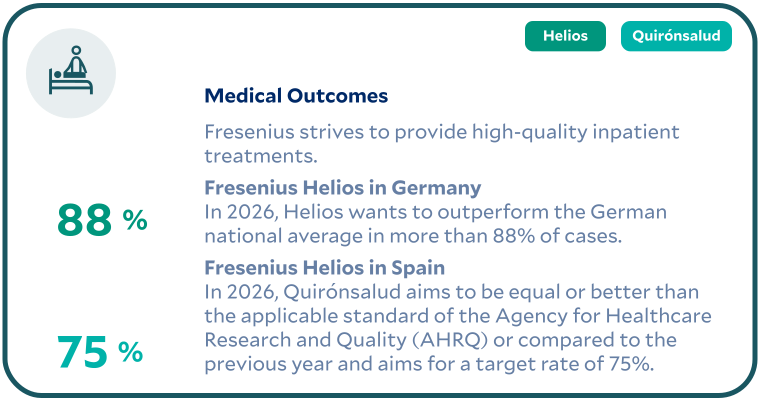
Fresenius Helios regularly evaluates the quality of treatment in its German and Spanish hospitals using the recognized “Inpatient Quality Indicator” (IQI) methodology. This comprises a set of standardized quality indicators based on treatment data collected from hospitals. Comparative measurements are used for each indication, based on reference values for the nationwide average published by Germany’s Federal Statistical Office or the Agency for Healthcare Research and Quality in Spain. Fresenius Helios uses the results to calculate the extent to which each target has been achieved.
In 2025, the result achieved in Germany was 91.9%1 (2024: 90.7%), in Spain the figure was 77.4%1 (2024: 73.3%2); accordingly, the target was achieved in each case.
Our target for product quality
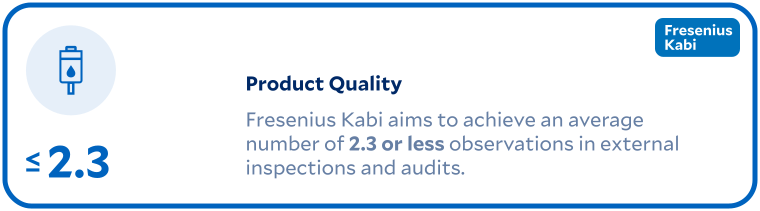
The audit and inspection score shows how many deviations were identified on average in the course of official inspections on good manufacturing practice (GMP) and ISO 9001 audits conducted by TÜV. Fresenius Kabi’s target: an average of no more than 2.3 deviations.
In 2025, Fresenius Kabi achieved this target again, with a figure of 0.9 (2024: 1.7). Any identified deficiencies and deviations should be rectified immediately by taking corrective and preventive measures, the effectiveness of which we regularly review.
Fresenius Kabi and Fresenius Helios have introduced their own quality management processes in their business activities and measure the quality of products and services on the basis of set KPIs.

Helios has grouped its hospitals and medical care centers into clusters. By creating such regional networks, we want to further enhance medical quality and efficiency. Read all about it in our Highlight Story: What exactly is … a hospital cluster?
As part of the EASYGEN project, we are working with international partners to simplify access to a special form of cell therapy for cancer patients. Find out more in the Highlight Story: When every day counts: EASYGEN is set to make cell therapy more accessible.
Highlight Story
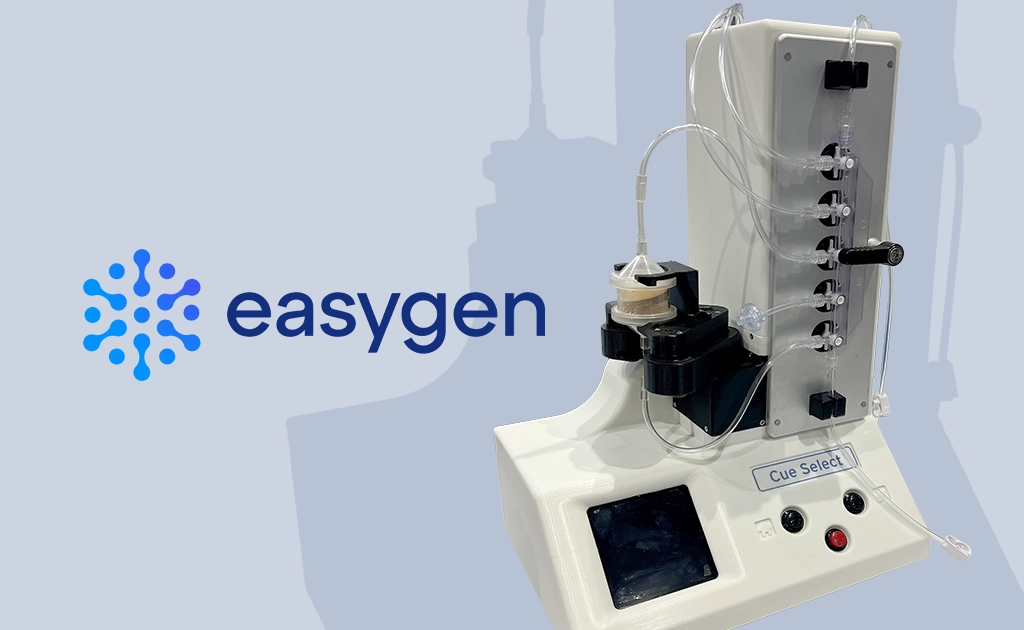
When every day counts: EASYGEN is set to make cell therapy more accessible
Read Highlight Story
Continuously learning and expanding specialist knowledge
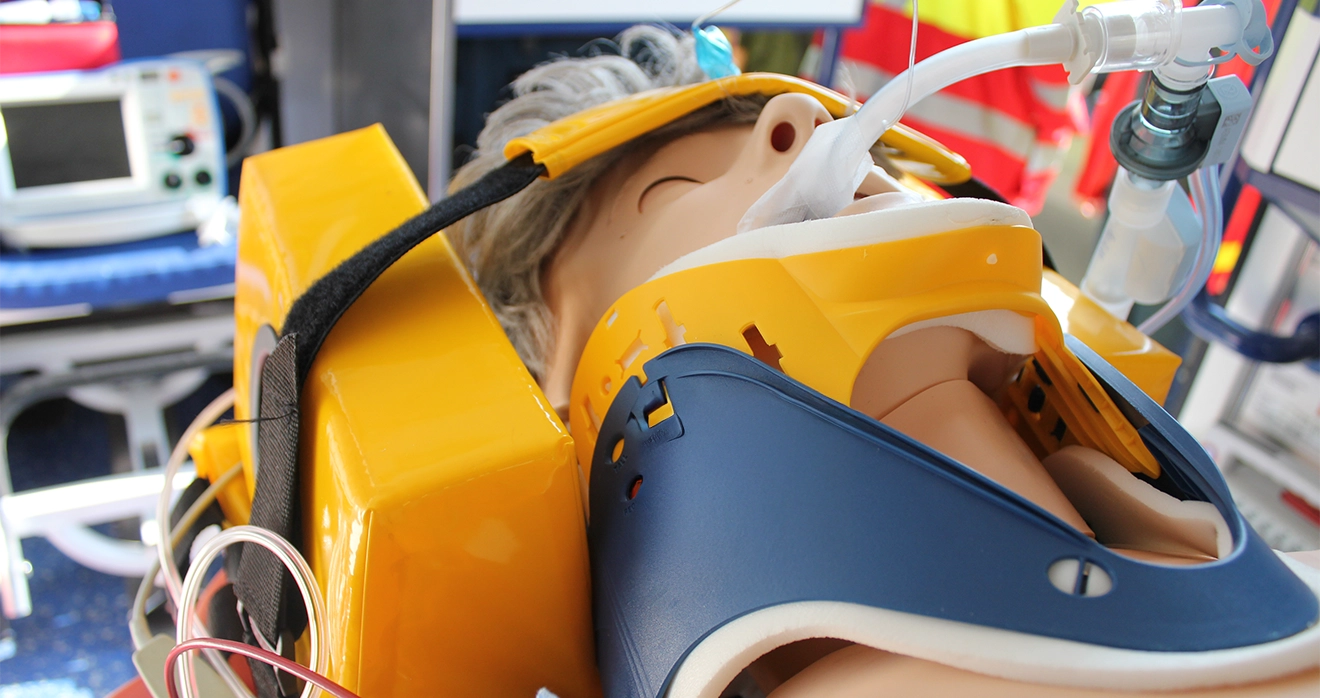
Our employees can only apply the latest medical standards and procedures if they are familiar with them. This in turn will ensure that they deliver high-quality treatment in our hospitals and medical facilities. Our employees therefore undertake regular training. Both online and in person, they receive continuous training on treatment procedures, patient safety, and hygiene management. Training courses for surgical procedures and crisis scenarios are even more rooted in practice: In our hospitals and in three of our own simulation and emergency academies, doctors and nursing professionals run through various situations as they might occur during day and night shifts.
Médicos 2030: Shaping the future of medical excellence
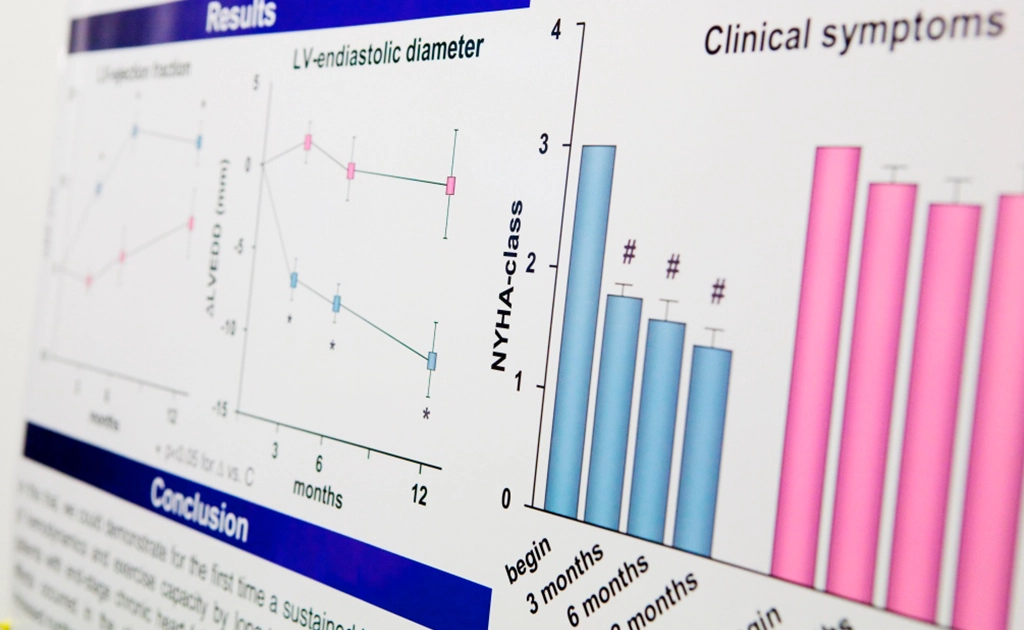
Quirónsalud’s strategic initiative MÉDICOS 2030 (“Medical Professionals 2030”) is aimed at preparing the next generation of medical leadership and professional practice. The program looks at the capabilities doctors need today and in the future across different specialties and hospitals. This includes emerging skills such as literacy related to artificial intelligence (AI), helping our teams stay equipped to deliver the high-quality care over the long term.
The initiative draws on an in‑depth analysis of more than 13,000 professionals, covering 36 specialties and 49 hospitals. Based on this data, each center now has a clear set of priority actions, ranging from hiring and retention strategies to succession plans and strengthening a culture of recognition. The result is a roadmap that aims to empower our medical professionals and to elevate the quality of healthcare for years to come.
Using digital solutions to promote progress
Innovations are essential if we are to continue to meet the needs of our patients in the future. Innovative ideas and processes help us to deliver high-quality healthcare solutions, enhance treatment options, and optimize processes. Our integrated approach spans the entire value chain and uses research, telemedicine, and AI to improve therapeutic approaches and the experience of our patients.
Data- and AI-supported analysis methods and processes can play a role in helping to make healthcare and production more efficient. In everyday clinical practice, for example, real-time AI-generated data can help to make prognoses, devise personalized treatment approaches, and take preventive measures – with the final decisions being made by medical staff.
Information on a strategic partnership with the software company SAP to promote digital healthcare can be found on the Patient centricity page.
We see a great deal of potential in the AI-based evaluation of images, such as those obtained from ultrasound, MRI, endoscopy, or functional examinations. AI applications can save time when evaluating these examinations, which in turn can be used to make medical decisions. To find out more about the guidelines we have put in place to ensure that AI is used responsibly, see the Business ethics page.
Hospitals have large amounts of medical data at their disposal, the analysis of which can help to improve treatment quality and answer research questions. Find out how Helios consolidates this data from different systems and prepares it for evaluation in the Highlight Story: HeSaMeDa: Using data securely for better care.
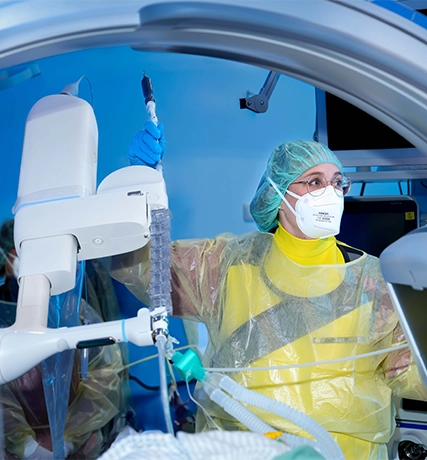
Robotic surgery – precise and efficient cooperation
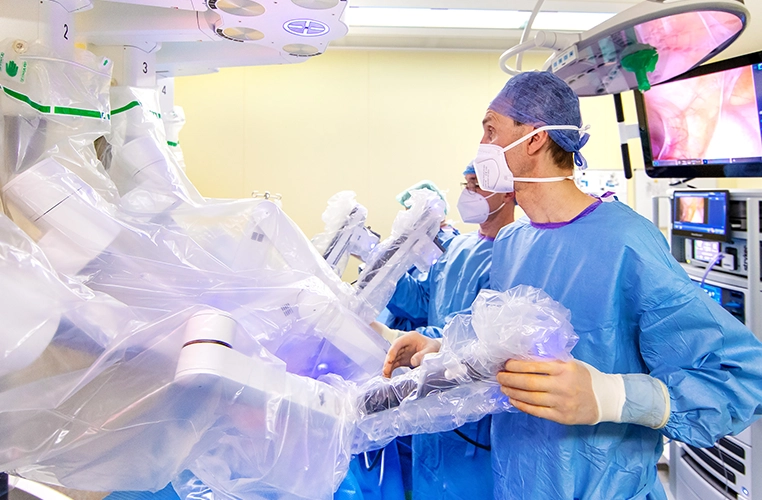
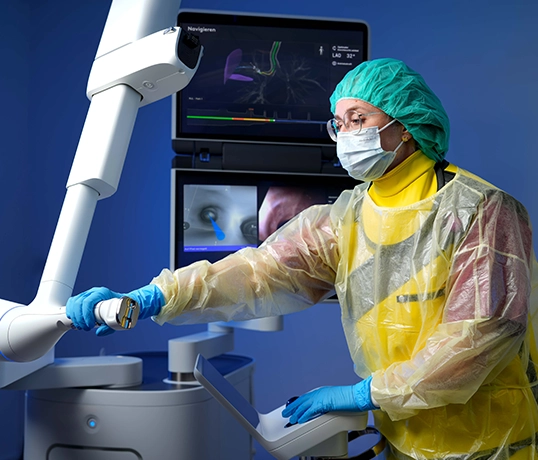
Surgical robots help doctors to perform operations with particular precision. At Helios, doctors across various surgical disciplines have joined forces with technology, IT, and purchasing specialists in the robotics working group. The group tests new equipment, organizes training courses, and develops robot choreography. These are standardized processes that are designed to make sure that all patients receive high-quality treatment. The fixed processes also ensure that the single-use products needed for the procedures can be used as efficiently as possible.
1 Fresenius provides detailed information on the setting of targets in the area of medical outcomes in the audited Sustainability Statement 2025.
2 A new calculation method was introduced for Spain in 2025. Comparability with the 2024 figure is therefore not possible.