

Our commitment to access & affordability
We strive to provide affordable, high-quality products and services that are accessible and contribute to enhancing the efficiency of healthcare systems.
We work to deliver patient care
Healthcare systems are facing increasingly complex challenges: People are living longer, with diseases increasing as they age. At the same time, treatment should remain affordable and stable supply chains should ensure that care can be provided in the long term.
The availability of our products is critical to delivering patient care. Drawing on our own innovative strength and working in cooperation with strong partners, we want to seize our opportunities and set priorities. We are investing in our global production network, developing integrated care approaches, and taking advantage of the opportunities afforded by digitalization and artificial intelligence because we want to make sure that we can deliver a reliable and resilient supply of vital therapies.
We are also reducing the risk of shortages by diversifying our supply chains. In addition, our local-for-local approach gives us a high degree of vertical integration in our markets, enabling us to reduce dependencies. Our regional presence also ensures that we can operate closer to the needs of the healthcare systems.
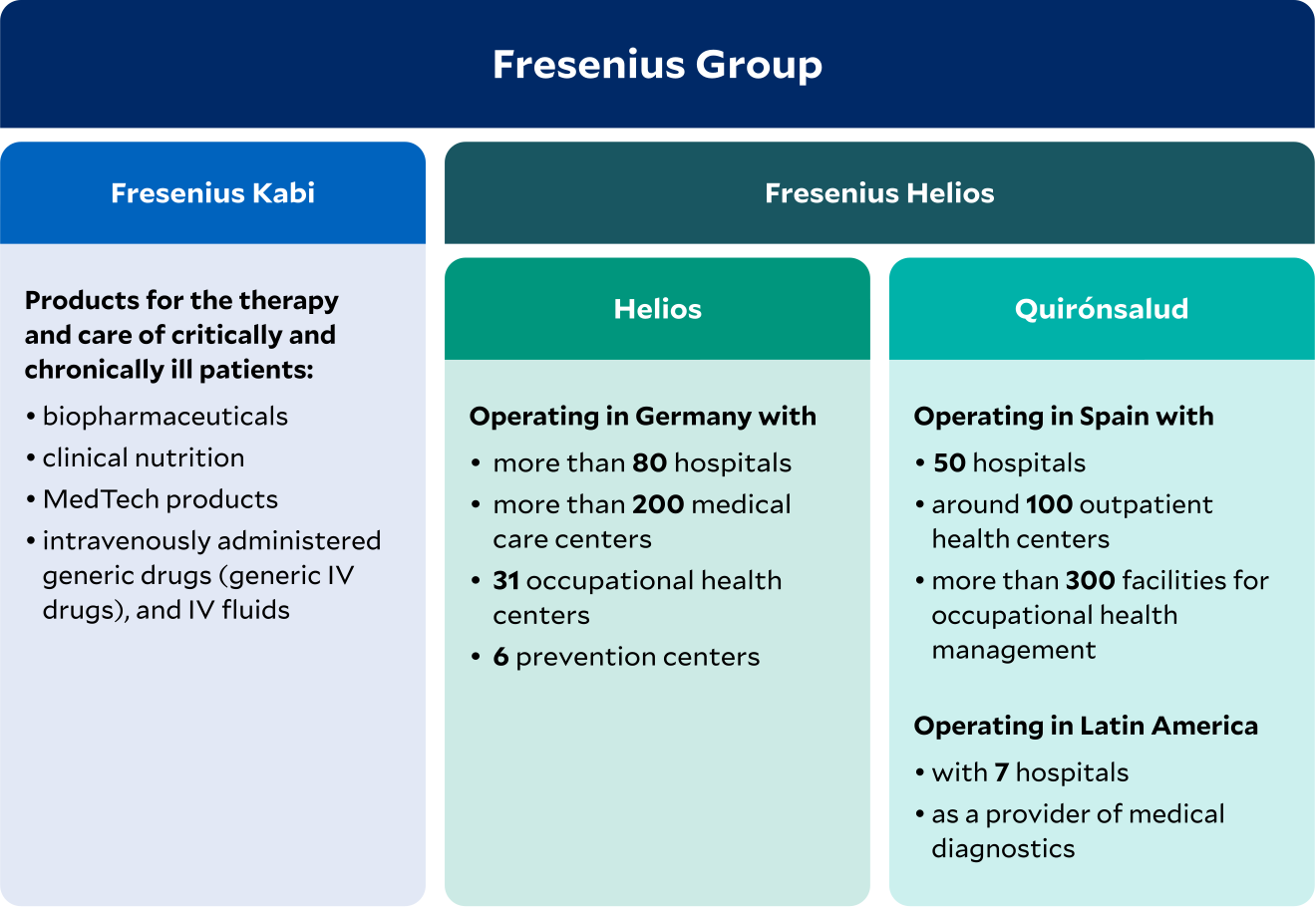
Also enabling us to play our part in making sure that care can be delivered is the fact that we are part of the critical infrastructure in Europe with over 130 hospitals and more than 300 medical care centers.
Health and medical education go hand in hand: We are convinced that both should be equally accessible to everyone – regardless of factors such as age, income, ethnicity, or educational attainment.
As part of the EASYGEN project, we are working with international partners to simplify access to a special form of cell therapy for cancer patients. Find out more in the Highlight Story: When every day counts: EASYGEN is set to make cell therapy more accessible.
Highlight Story
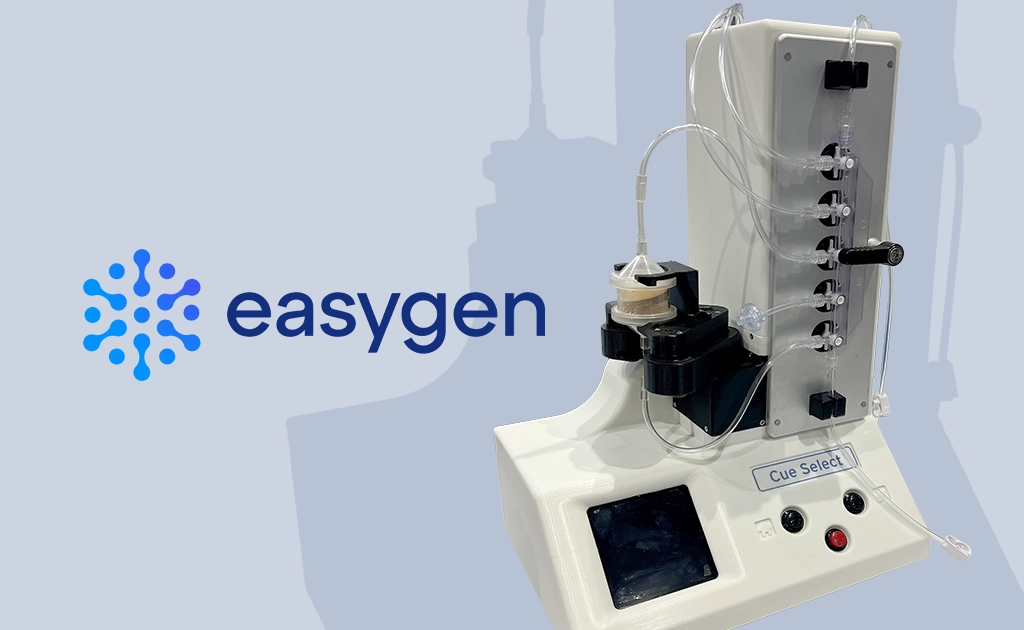
When every day counts: EASYGEN is set to make cell therapy more accessible
Read Highlight Story
In the 2025 fiscal year:
27
millionpatients have been treated in our hospitals.
450
millionpatients have been reached with our healthcare products.
What we do – an overview of our activities
We provide integrated care services and supply high-quality medicines and healthcare products for the global market – always tailored to different healthcare systems and the needs of patients. When it comes to our healthcare products, we focus on generics and biosimilars, so-called copycat drugs, which are cheaper than the original medicines. They help to cut the cost of treatment. This in turn eases the burden on healthcare systems because they have to spend less money on medicines, and patients because co-payments are lower for therapies.
Access initiatives at Fresenius Kabi
Reliable access to medicines, healthcare products, and nutritional therapies is often essential, especially for critically and chronically ill patients. Fresenius Kabi is undertaking various initiatives to support this access. Find out more in the Highlight Story: How Fresenius Kabi supports access to essential therapies in everyday care.
Highlight Story

How Fresenius Kabi supports access to essential therapies in everyday care
Read Highlight Story
Well-connected hospitals
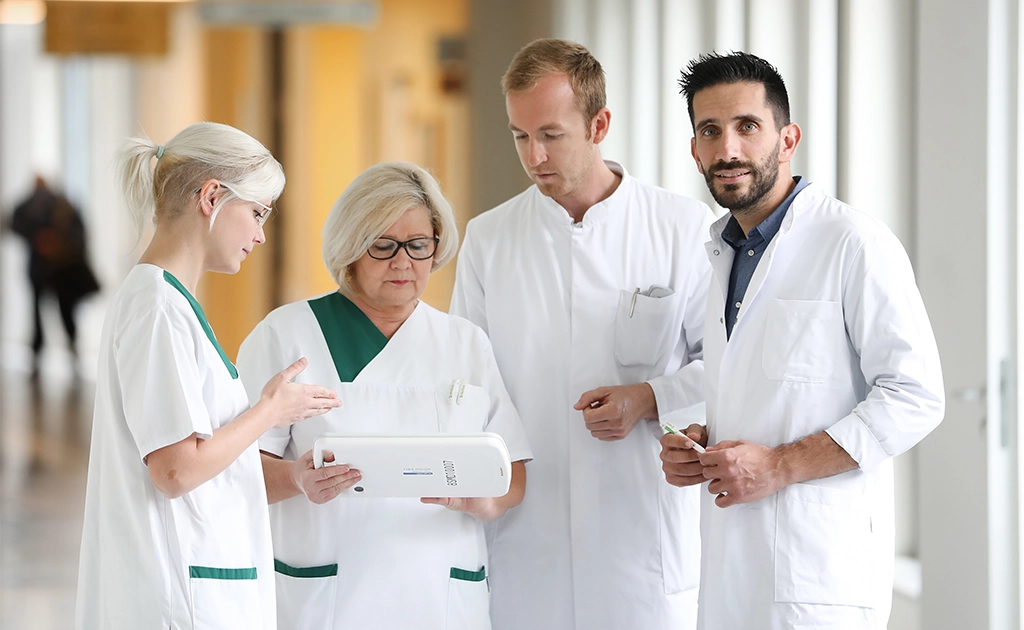
Helios has grouped its hospitals and medical care centers into clusters. By creating such regional networks, we want to deliver care for patients on a long-term basis. Find out more in our Highlight Story: What exactly is … a hospital cluster?
Emergency departments at Fresenius Helios – a focus on structures and procedures
When people come to a hospital in exceptional medical circumstances, the emergency room is their first point of contact. The complex and often time-critical processes in an emergency room demand a great deal from medical staff. Helios in Germany wants patients to feel like they are in good hands from the very first moment, while also making sure that employees will continue to enjoy working in this setting in the future. With this in mind, Helios launched a project in 2025 aimed at improving interdisciplinary workflows and structures in emergency departments, raising the quality of organizational and medical aspects, and boosting patient and employee satisfaction levels. The measures include introducing standardized patient admission processes, minimizing waiting times, optimizing shift planning to better cover peak times, and ensuring greater data transparency within the hospital. One important goal involves being able to provide patients with continuous care, which means that there is a need to prevent situations where emergency rooms are temporarily unable to accept any more emergencies. Interdisciplinary nursing, administration, and medical teams are working together on implementing a solution. Emergency services are also involved, with a digital system enabling emergencies to be registered and assigned to hospitals at an early stage. Overall, the measures are set to be implemented gradually until 2027.
Digitalization in patient interaction
We use digitalized processes in various interactions with patients, starting with admission preparations – via videoconferences or chats, for example – right through to the daily post-treatment checkup at home via an app. Virtual portals are also in use at both Helios in Germany and Quirónsalud in Spain. Patients can use these to view treatment documents, book appointments, and attend video consultations, for example.
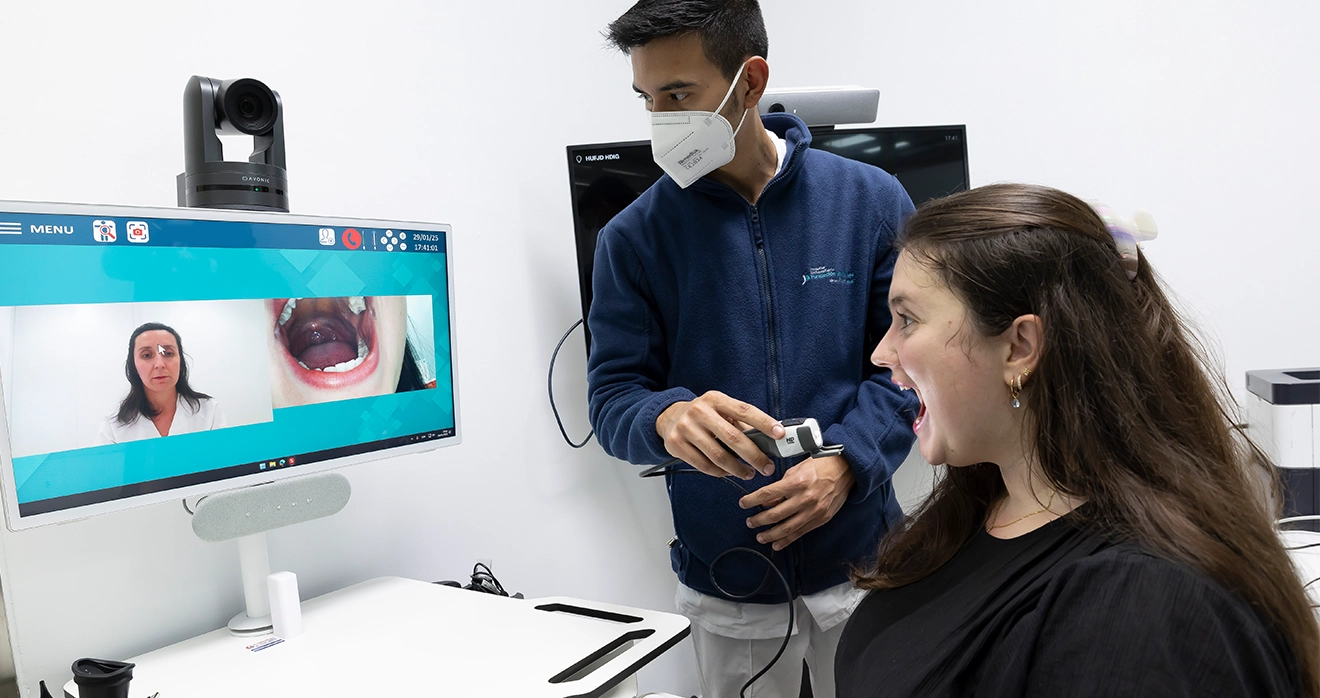
Find out how patients in Spain can expect to benefit from the Casiopea digital platform in the Highlight Story: Enhancing patient experience: Bridging digital care and energy consumption.
Further information on how we use digitalization and artificial intelligence at Fresenius can be found on the Patient centricity, Quality excellence, and Business ethics pages.
Highlight Story
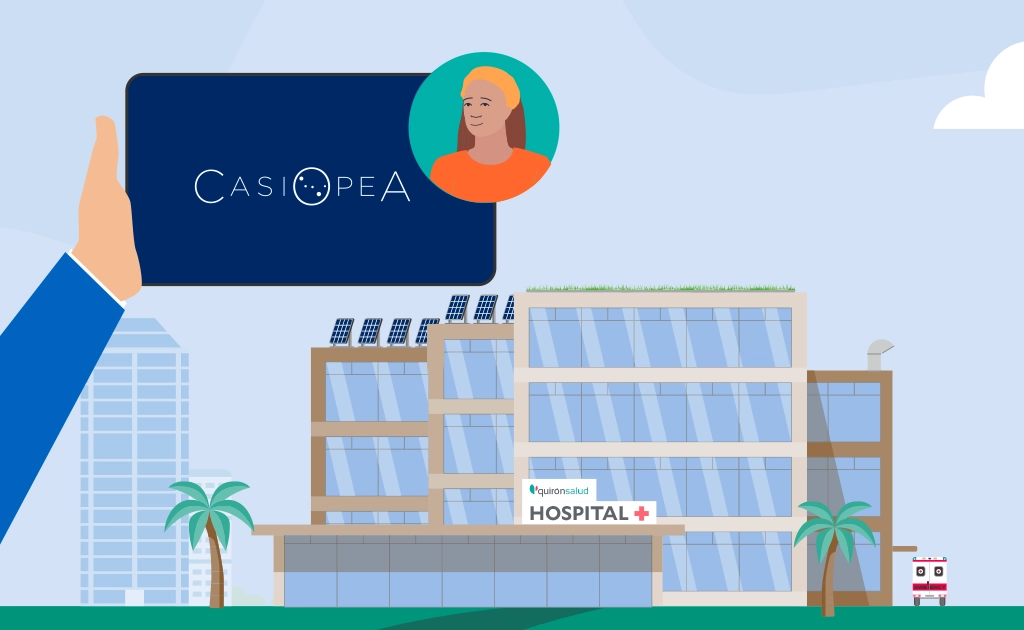
Enhancing patient experience: Bridging digital care and energy consumption
Read Highlight Story