HeSaMeDa: Using data securely for better care
With diagnostic and therapeutic information, test samples from the laboratory, and other treatment data – hospitals are sitting on a wealth of data. Evaluating this data can help to better understand the relationships between therapy procedures and treatment outcomes, identify patterns, and develop innovative treatment methods. In addition, a targeted approach can be taken to analyzing and optimizing processes. Data analysis can thus contribute to quality assurance in patient care on the one hand, while also playing a useful role in answering scientific questions on the other.
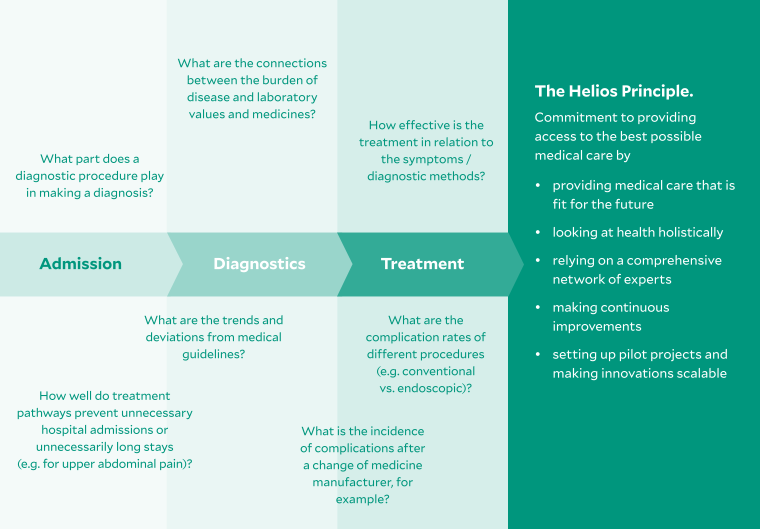
At Fresenius Helios in Germany, our approach is to improve the quality of treatment with the aid of data analysis and thus contribute to the “Helios Principle”.
Medical data as part of the Helios Principle
Data analyses can lead to better medicine
Treatment quality can be improved and better understood with data
Processes can be analyzed and optimized using data
Further information on the Helios Principle is available here.
Helios Safe Medical Data
The problem is that the data is often not uniformly structured because many different IT systems are being used. The HeSaMeDa platform (Helios Safe Medical Data) can help by standardizing different kinds of data from the Helios hospitals. HeSaMeDa processes medical data solely in pseudonymized form so that no individual persons can be identified.
The key findings from building the platform are summarized in a scientific study.
An overview of the key findings:
Agility beats perfection: Since hospitals use different IT systems, a flexible, incremental approach to standardizing data has proven to be more effective than an immediate end-to-end solution.
“Raw data first” approach: In order to prevent information loss by incorrectly assigning it or standardizing it too early, data is initially stored unchanged in its raw format and only later processed and standardized.
Automation is essential: Automated processes and versioned code – that is to say, software whose modifications are documented and can be tracked – are crucial for being able to work reliably in research areas where there are frequent personnel changes.
Interoperability: The task of converting data into a common standard remains complex because important detailed information can be lost during the standardization process.
A focus on consent and data privacy
There are two levels of consent for patients: Firstly, they can choose whether to approve the use of their data for research purposes. Furthermore, they can agree to being contacted for studies at a later date. All data is processed solely by Fresenius Helios.
The use of data is strictly regulated, with high IT and data privacy standards protecting the sensitive information in accordance with the German Good Practice in Secondary Data Analysis (GPS) guidelines, among others. A higher-level committee set up by Fresenius Helios decides who may use the data and for what purpose. All access to the platform is documented and can be tracked.
Data analyses and technologies can support scientific projects and internal quality assurance measures as well as help to deliver efficient and individual treatment for patients in line with recognized medical standards.
“We have shown that HeSaMeDa can directly improve everyday clinical practice. Whether identifying redundant diagnostics to reduce the number of unnecessary blood samples taken or contributing to patient safety by promptly analyzing complications in instances where there has been a change of manufacturer, this platform is the tool we want to use to take a targeted approach to enhancing medical evidence and improving operational excellence.”
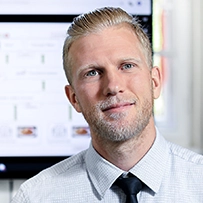
“A practical example is the use of robotics in operations. We evaluated data from 2025, which shows how these minimally invasive procedures can improve the quality of care. Compared to conventional surgical procedures performed in the past, smaller incisions and more precise movements have shortened hospital stays and reduced pain. At the same time, the data analyses have helped to organize processes in the operating room more efficiently and make costs transparent. This case shows that HeSaMeDa can be used to set standards, better assess risks, and plan investments.”